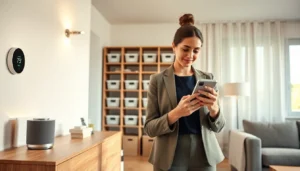
The best smart living tips can transform any home into a space that works harder and smarter. Smart technology has moved beyond novelty gadgets. It now offers real solutions for saving time, cutting energy costs, and improving daily comfort. Whether someone wants to automate their morning routine or monitor their home from anywhere, connected devices make it possible.
This guide covers practical strategies for building a smarter home. Readers will learn how to automate tasks, reduce energy bills, strengthen security, and create healthier indoor spaces. These smart living tips apply to beginners and tech enthusiasts alike.
Table of Contents
ToggleKey Takeaways
- The best smart living tips focus on automation, energy savings, security, and health to make your home work smarter for you.
- Smart thermostats can save approximately 10% annually on heating and cooling costs by learning your household patterns.
- Video doorbells and smart locks provide layered security, reducing package theft and eliminating the need for hidden keys.
- Smart plugs offer an affordable entry point under $15, turning any appliance into a voice or app-controlled device.
- Air quality monitors and smart purifiers automatically detect pollutants and adjust settings to create a healthier indoor environment.
- Energy-saving smart devices often pay for themselves within one to two years through reduced utility bills.
Automate Everyday Tasks to Save Time
Automation stands at the core of smart living tips that actually make life easier. Small daily tasks add up. Turning off lights, adjusting thermostats, and locking doors consume minutes that could go elsewhere.
Smart home hubs like Amazon Echo, Google Nest, or Apple HomeKit serve as central command centers. They connect various devices and allow voice control or app-based management. A single phrase can dim lights, play music, and set the thermostat.
Morning and Evening Routines
Programmable routines save the most time. A “Good Morning” routine might gradually brighten bedroom lights, start the coffee maker, and read the day’s weather forecast. An evening routine could lock all doors, turn off downstairs lights, and lower the thermostat.
Smart plugs offer an affordable entry point. They turn any appliance into a connected device. A lamp, fan, or space heater becomes controllable through a phone app or voice command. Most cost under $15 and take seconds to set up.
Kitchen and Household Automation
Robot vacuums handle floor cleaning on a schedule. Models from iRobot, Roborock, and Eufy map home layouts and avoid obstacles. They return to their charging docks automatically.
Smart appliances extend automation further. Refrigerators track expiration dates. Ovens preheat remotely. Washing machines send alerts when cycles finish. These features aren’t flashy, but they quietly eliminate friction from daily life.
The best smart living tips focus on removing repetitive decisions. When technology handles the predictable stuff, people gain mental space for what matters more.
Optimize Energy Usage With Smart Devices
Energy optimization represents one of the most compelling smart living tips for homeowners. Smart devices don’t just add convenience, they cut utility bills.
Smart Thermostats
Smart thermostats like Ecobee and Google Nest learn household patterns. They adjust heating and cooling based on when people are home. The U.S. Department of Energy estimates programmable thermostats save about 10% annually on heating and cooling costs.
Geofencing features detect when residents leave and return. The system lowers energy use during empty hours and restores comfort before anyone walks through the door.
Lighting Efficiency
Smart bulbs and switches eliminate wasted electricity. Motion sensors turn lights off in empty rooms. Schedules ensure outdoor lights run only at night. Dimming capabilities reduce power consumption without sacrificing ambiance.
Philips Hue, LIFX, and Wyze offer reliable options at various price points. LED smart bulbs use up to 75% less energy than traditional incandescent bulbs.
Power Monitoring
Smart power strips identify energy vampires, devices that draw power even when off. They can cut power to idle electronics automatically. Some display real-time energy consumption through companion apps.
Whole-home energy monitors provide deeper insights. They track consumption by circuit and reveal which appliances cost the most to run. This data helps homeowners make informed decisions about upgrades and usage habits.
Smart living tips centered on energy savings often pay for themselves within a year or two. The environmental benefits are a bonus.
Enhance Home Security Through Connected Technology
Security ranks high among smart living tips that deliver peace of mind. Connected technology lets homeowners monitor and protect their property from anywhere.
Video Doorbells and Cameras
Video doorbells from Ring, Nest, and Arlo show who’s at the door in real time. They record footage, detect motion, and allow two-way communication. Package theft drops significantly when delivery drivers know they’re on camera.
Indoor and outdoor cameras add layers of visibility. Cloud storage keeps recordings accessible even if someone steals the physical device. Some systems offer local storage options for those concerned about privacy.
Smart Locks and Access Control
Smart locks eliminate hidden keys and the worry of forgetting to lock up. They offer keypad codes, fingerprint recognition, or smartphone unlocking. Temporary codes work well for guests, dog walkers, or repair technicians.
August, Schlage, and Yale produce reliable smart lock options. Most integrate with existing deadbolts, so renters can install them without replacing hardware.
Integrated Security Systems
Professional monitoring services combine cameras, sensors, and alarms into unified systems. SimpliSafe, ADT, and Abode offer packages with 24/7 monitoring and emergency dispatch.
DIY options exist for those who prefer self-monitoring. Alerts go directly to smartphones when sensors detect unexpected activity. This approach costs less but requires homeowners to respond themselves.
Smart living tips for security work best as layers. A combination of visible deterrents, access controls, and monitoring creates comprehensive protection.
Create a Healthier Living Environment
Health-focused smart living tips address air quality, sleep, and overall wellness. Connected devices now monitor and improve indoor conditions automatically.
Air Quality Management
Smart air purifiers detect pollutants and adjust fan speeds accordingly. Models from Dyson, Coway, and Molekule filter allergens, dust, and volatile organic compounds. Companion apps display real-time air quality readings.
Smart thermostats with humidity sensors help maintain ideal moisture levels. Too much humidity encourages mold growth. Too little causes dry skin and respiratory irritation. The sweet spot falls between 30% and 50%.
Air quality monitors like Awair and uHoo track particulates, CO2 levels, and temperature. They alert residents when ventilation is needed or when pollutant levels spike.
Sleep Optimization
Smart lighting supports natural sleep cycles. Warm-toned bulbs in the evening signal the body to produce melatonin. Gradual dimming before bed prepares the brain for rest.
Smart blinds open slowly in the morning, mimicking sunrise. This gentle wake-up feels more natural than jarring alarms. Lutron and IKEA sell motorized blind options at different price ranges.
Sleep trackers on mattresses or wearables provide data about sleep quality. They identify patterns and suggest improvements.
Water Quality
Smart water monitors detect leaks before they cause damage. They also measure water quality and usage. Some systems automatically shut off water supply when they detect unusual flow patterns.
These smart living tips address health factors that often go unnoticed. Small improvements in air and water quality compound into significant wellness benefits over time.